Emotional Intelligence
Published on 11 Nov 2025
Emotional intelligence (EI) is the capability of a person to assess, manage and control one’s own emotions as well as emotions of others. Emotional Intelligence is one of the types of intelligence needed for success in various kinds of situations. Therefore, it is critical to manage our behaviour and decision making.
Elements of Emotional Intelligence
Self-Awareness: Recognizing and understanding one’s own emotions, strengths, weaknesses, and the impact on others.
Example: IAS officer Tina Dabi displayed empathy during the COVID-19 where she initiated measures to ensure the distribution of essential supplies and support to those in needed.
Self-regulation: Managing and controlling one’s emotions effectively, avoiding impulsive reactions, and adapting to changing situations.
Example: Facing challenges in Tesla’s production, Elon Musk resiliently navigates pressure, adapts to change, and channels emotions constructively for the benefit of his companies.
Motivation: Having a drive to achieve goals, a passion for work, and the ability to persevere in the face of setbacks.
Example: The Swachh Bharat Abhiyan launched by government is driven by a motivation to achieve a cleaner and healthier India, encouraging citizens to participate actively in maintaining cleanliness.
Empathy: Understanding and sharing the feelings of others, demonstrating compassion, and building strong interpersonal connections.
Example: In the 2018 Kerala floods, Indian Navy personnel exhibited empathy by prioritizing the safety of affected individuals, showcasing compassion in adversity.
Social skills: Effectively navigating social situations, building and maintaining relationships, and communicating with others in a positive and influential manner.
Example: The Direct Benefit Transfer showcases social skills by streamlining the delivery of subsidies and benefits directly to beneficiaries, reducing intermediaries and improving efficiency.
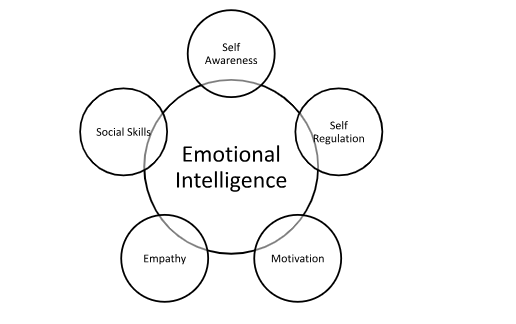
Major Focus Areas of Emotional Intelligence
RULER is a systemic approach to social and emotional learning developed at the Yale Center for Emotional Intelligence.
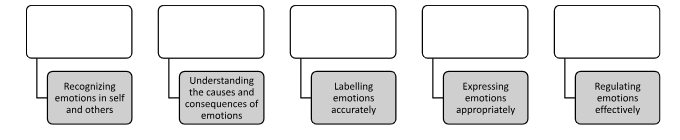
Characteristics of Emotional Intelligence
Daniel Goleman has also identified four major characteristics of Emotional intelligence. It is popular as Goleman’s model of Emotional intelligence.

Self-awareness: Understanding one’s own emotions, strengths, weaknesses, and values. It involves recognizing how emotions can influence thoughts and behaviors.
Self-management: Managing and controlling one’s emotions in various situations. This includes staying calm under pressure, adapting to changing circumstances, and handling impulses effectively.
Social awareness: Sensing and understanding the emotions of others, and being able to see things from their perspective. Empathy involves listening actively and showing genuine concern for others’ feelings.
Relationship management: Navigating social situations with finesse, building and maintaining healthy relationships, and effectively communicating with others. This involves conflict resolution, collaboration, and influence.
Goleman’s model highlights how these components interact to form a well-rounded emotional intelligence, which is crucial for personal growth, effective leadership, strong relationships, and successful communication.
Tags:
Ethics, Integrity and Aptitude
Keywords:
Emotional Intelligence
EI
Elements of Emotional Intelligence
Self-Awareness
Self-regulation
Motivation
empathy
social skills
Major Focus Areas of Emotional Intelligence
RULER
Characteristics of Emotional Intelligence
Daniel Goleman
Goleman’s model of Emotional intelligence
self regulation
self recognition
social awarness
self control
self confidence
self management
Relationship management
Syllabus:
General Studies Paper 4
Topics:
Attitude and Emotional Intelligence
Related Articles
Backgrounder
Challenges in Curbing Corruption in India
CHALLENGES OF CORRUPTION
Factors responsible for Under-utilization and Misutilization of public Funds
UTILIZATION OF PUBLIC FUNDS
Right to Public Service Act
Issues in Quality of Service Delivery
QUALITY OF SERVICE DELIVERY
Work Culture Issues in Government Sector Compared to Private Sector in India
Impacts of a Hostile Work Culture
WORK CULTURE