The Era of Coalition
Published on 30 Sep 2025
In India, the post-independence era has seen several coalition governments at the national and state levels. Coalition governments are formed when no single political party secures an absolute majority in a legislative body.
Problems with coalition governments
Instability: Minor disagreements or disputes among coalition partners can lead to the collapse of the government and the need for frequent re-elections or realignments.
Policy Paralysis: In a coalition government, parties may prioritize their own interests and policy agendas over the national interest. This can result in policy paralysis or delays in decision-making.
Inefficient Governance: Multiple coalition partners hindered efficiency, leading to complex bureaucracy and diffused accountability, making reforms and issue-solving challenging.
Frequent Changes: Coalition governments may face frequent leadership and cabinet changes to accommodate various parties, disrupting governance continuity and policy effectiveness.
Voter Dissatisfaction: Voters may become disillusioned with coalition governments if they perceive them as ineffective, indecisive, or prone to corruption and nepotism.
Janata Government’s rule and its impact
The Janata Party coalition was formed by a grouping of several opposition parties that came together to contest the 1977 elections. The coalition included the Janata Party, the Bharatiya Jana Sangh, the Lok Dal, the Socialist Party, and other regional and smaller parties.
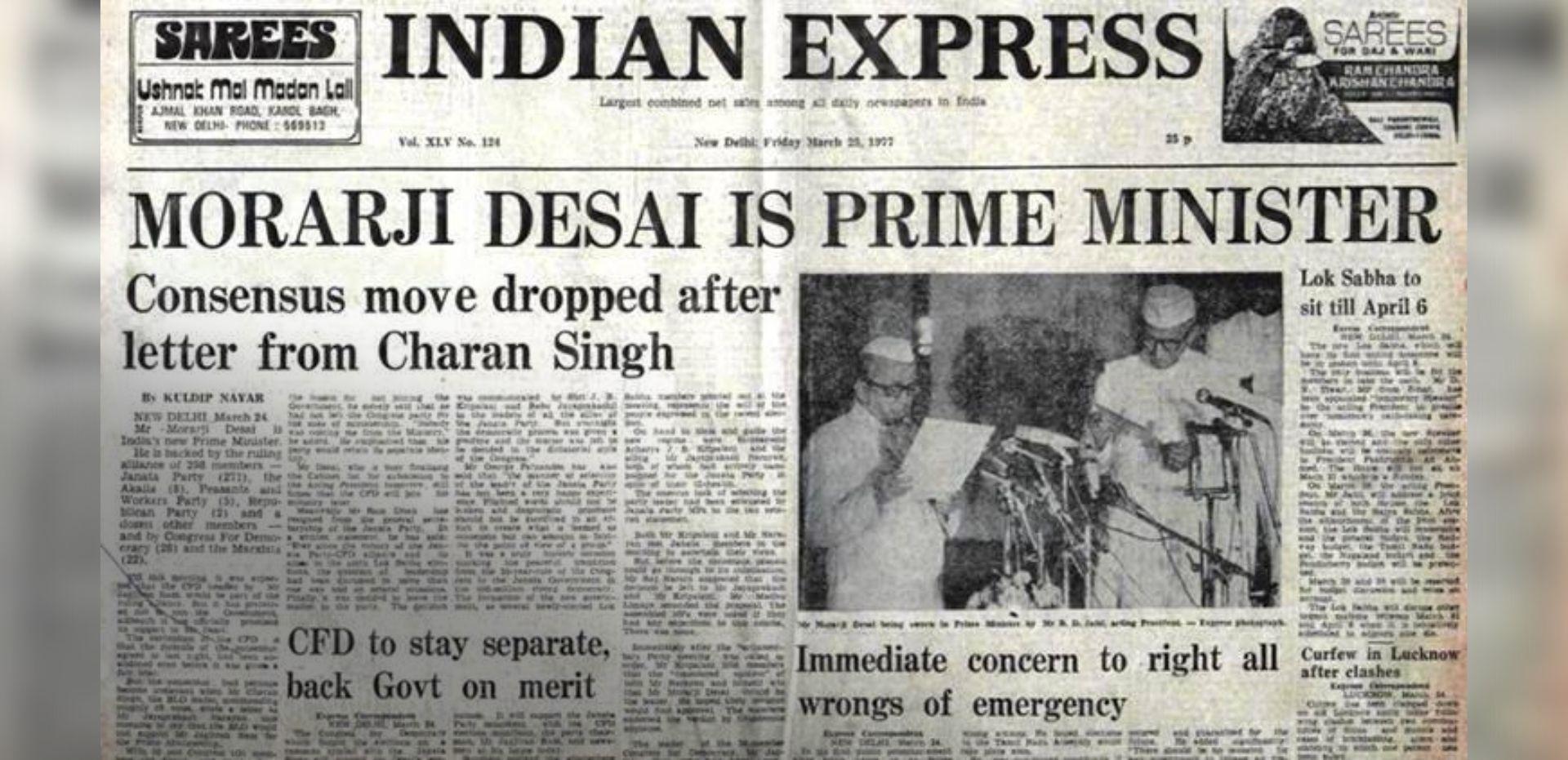
Return to Democracy: The government lifted censorship, released political prisoners, and reaffirmed the importance of democratic values.
Electoral Reforms: The Janata government introduced electoral reforms, including lowering the voting age from 21 to 18, to encourage greater participation of young voters in the democratic process.
Economic Policies: The government implemented various economic policies, including fiscal discipline and measures to combat inflation.
Foreign Policy: The Janata government pursued a more balanced foreign policy, maintaining friendly relations with both the United States and the Soviet Union. It sought to assert India's non-aligned stance on the global stage.
Bilateral Relations: The government aimed to enhance ties with neighbours like Pakistan and Bangladesh, helping repatriate Indian prisoners of war from Pakistan post-1971 conflict.
Tags:
History & Culture
Keywords:
The Era of Coalition
Problems with coalition governments
Janata Government’s rule and its impact
morarji desai
Syllabus:
General Studies Paper 1
Topics:
Post-Independence Consolidation
Related Articles